

Introduction: The Rise of Elbiler
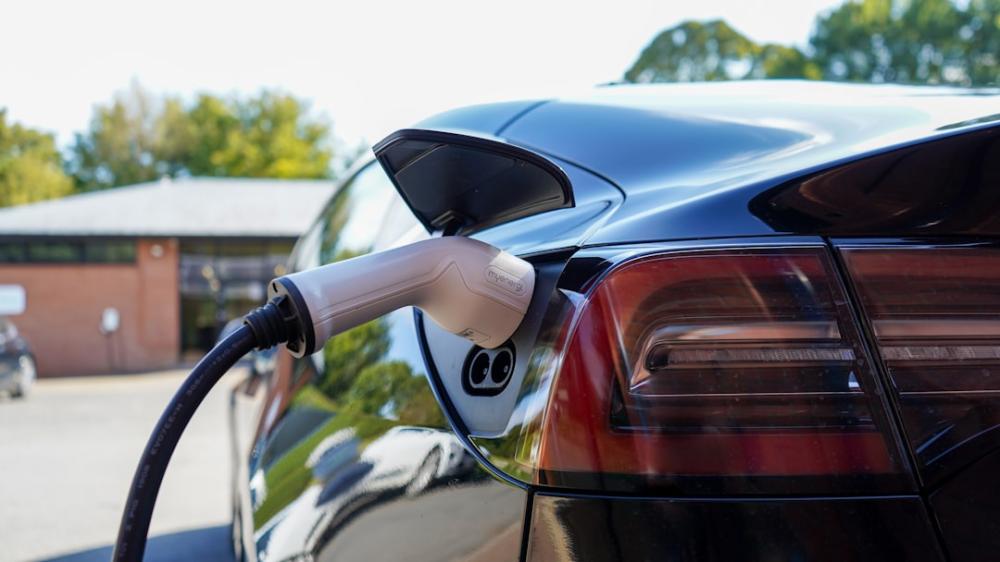
The automotive industry is undergoing a significant transformation as we gear up for the electric revolution, particularly in the realm of elbiler or electric vehicles. With increasing concerns about climate change, air pollution, and the depletion of fossil fuels, the shift towards electric mobility has never been more critical. Governments around the world are implementing policies to encourage the adoption of elbiler, while manufacturers are investing heavily in research and development to produce more efficient and affordable electric cars. This article explores the current landscape of elbiler, their benefits, challenges, and what lies ahead for this burgeoning market.
The Environmental Impact of Elbiler
One of the primary motivations behind the transition to elbiler is their potential to significantly reduce greenhouse gas emissions. Traditional gasoline and diesel vehicles emit large amounts of carbon dioxide (CO2), contributing to global warming and climate change. In contrast, elbiler produce zero tailpipe emissions. However, it is essential to consider the entire lifecycle of an electric vehicle when assessing its environmental impact.
The production of batteries for elbiler can be resource-intensive and may involve mining practices that harm ecosystems if not managed responsibly. Additionally, electricity generation methods play a crucial role; if an electric vehicle is charged using power from coal-fired plants, its overall emissions could still be substantial. Nonetheless, as renewable energy sources like wind and solar become more prevalent in our energy mix, the environmental benefits of elbiler will only increase.
The Economic Shift Towards Electric Vehicles
The economic implications of transitioning to elbiler extend beyond just environmental considerations; they also encompass job creation and market dynamics. As demand for electric vehicles grows, so too does the need for skilled workers in manufacturing, maintenance, and charging infrastructure development. This shift presents an opportunity for economies to innovate and adapt by training workers in new technologies related to battery production and electrical engineering.
Moreover, governments are incentivizing consumers through tax rebates and subsidies for purchasing elbiler. These financial incentives lower barriers to entry for consumers who might otherwise hesitate due to higher upfront costs associated with electric vehicles compared to traditional combustion engine cars. As battery technology continues to improve—leading to lower costs—elbiler are expected to reach price parity with their gasoline counterparts within a few years.