

Introduction to Ford's Electric Revolution
The automotive industry is undergoing a seismic shift, with electric vehicles (EVs) taking center stage in the quest for sustainability and innovation. Among the key players in this transformation is Ford Motor Company, a name synonymous with American automotive history. As the world grapples with climate change and the need for cleaner transportation solutions, Ford has embarked on an ambitious journey to redefine its legacy through electrification. This article explores Ford's electric revolution, highlighting its commitment to sustainability, innovative technology, and the future of mobility.
The Legacy of Ford: From Gasoline to Electricity
Founded in 1903 by Henry Ford, the company has long been a pioneer in automotive manufacturing. The introduction of the Model T revolutionized personal transportation and set the standard for mass production techniques. Fast forward over a century, and Ford is once again poised to lead the charge—this time toward an electric future.
Ford’s transition from gasoline-powered vehicles to electric ones marks not just a technological shift but also a cultural one. As environmental concerns become increasingly pressing, consumers are demanding more sustainable options. Recognizing this trend, Ford announced its ambitious plan to invest over $50 billion in electric vehicle development through 2026. This substantial investment underscores their commitment to electrification and positions them as a leader in this transformative era.
Innovative Electric Models: The Mustang Mach-E and F-150 Lightning
One of the cornerstones of Ford's electric strategy is its lineup of innovative EV models. Leading this charge is the Mustang Mach-E, an all-electric SUV that combines performance with sustainability. With its striking design reminiscent of the iconic Mustang sports car, it offers drivers an exhilarating experience while being environmentally friendly.
The Mach-E has received widespread acclaim for its impressive range—up to 300 miles on a single charge—and rapid acceleration capabilities that rival traditional sports cars. It represents not just an alternative powertrain but also a new way of thinking about what an electric vehicle can be: stylish, powerful, and practical.
Another significant entry into Ford’s electric portfolio is the F-150 Lightning—a fully electric version of America’s best-selling truck. The F-Series has been synonymous with toughness and capability for decades; thus, transitioning it into an electric format was no small feat. However, Ford has successfully maintained these attributes while integrating advanced technology such as bi-directional charging capabilities that allow users to power their homes during outages or even use their trucks as mobile generators.
The combination of performance-oriented vehicles like the Mustang Mach-E and utility-focused options like the F-150 Lightning showcases Ford’s dedication to meeting diverse consumer needs while pushing forward into electrification.
Sustainability Initiatives: Beyond Just Vehicles
Ford's commitment extends beyond merely producing electric vehicles; it encompasses broader sustainability initiatives aimed at reducing overall environmental impact throughout its operations. The company aims for carbon neutrality globally by 2050—a daunting yet necessary goal given current climate challenges.
A significant aspect of this initiative involves sourcing materials responsibly and investing in renewable energy sources for manufacturing plants. For instance, Ford plans to utilize 100% renewable energy across all its manufacturing facilities globally by 2035—a bold step towards minimizing carbon emissions associated with production processes.
Moreover, recycling plays a crucial role in their sustainability strategy. By focusing on circular economy principles—where materials are reused rather than disposed—the company aims not only to reduce waste but also lower costs associated with raw material procurement over time.
This holistic approach demonstrates that true leadership in electrification requires more than just building cars; it necessitates rethinking how those cars are made and ensuring they contribute positively back into society and ecosystems alike.
The Future Roadmap: Challenges Ahead
While Ford’s electrification efforts are commendable, they do not come without challenges. The transition from internal combustion engines (ICE) to EVs involves significant hurdles including supply chain constraints related specifically to battery production—a critical component driving EV performance metrics such as range or charging speed.
Batteries require lithium-ion cells which rely heavily on minerals like lithium itself along with cobalt & nickel; sourcing these materials sustainably poses ethical dilemmas alongside logistical ones regarding availability & pricing volatility amidst rising global demand driven by various automakers entering similar markets simultaneously!
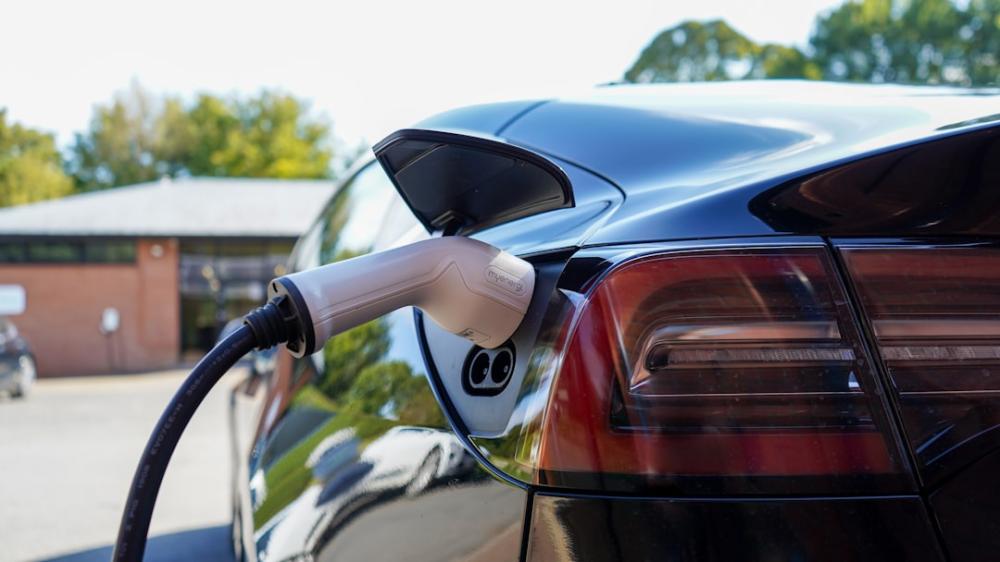
Additionally infrastructure development remains paramount; charging stations need expansion across urban & rural areas alike if widespread adoption is ever going be realized effectively! Consumers must feel confident they can access fast-charging options conveniently wherever they travel otherwise hesitance will linger around switching over entirely away from conventional fuels despite benefits offered by modern EVs!
To tackle these issues head-on though—Ford collaborates closely within industry coalitions aimed at improving battery technology while advocating policy changes supporting infrastructure growth nationwide! Their proactive stance showcases determination not only fulfill current needs but also pave pathways towards sustainable futures ahead!
Conclusion: Driving Toward Tomorrow
In conclusion, On the Road with Ford's Electric Revolution highlights both exciting advancements made thus far along journey towards full electrification alongside obstacles encountered along way too! As we move forward together toward greener horizons—it becomes clear that partnerships between stakeholders across sectors will play pivotal roles enabling successful transitions happen smoothly!
The road ahead may be filled with challenges—but if history teaches us anything about resilience shown throughout generations past within automotive landscape—it's this: innovation thrives when faced adversity head-on! With visionary leadership steering ship toward sustainable practices coupled cutting-edge technologies being developed daily—we can expect nothing short remarkable transformations unfold before our eyes reshaping how we think about transportation altogether!